Cousin of the Prince Birthday and Bones
A Designer’s First Look: Whimsy with Footprint Charm
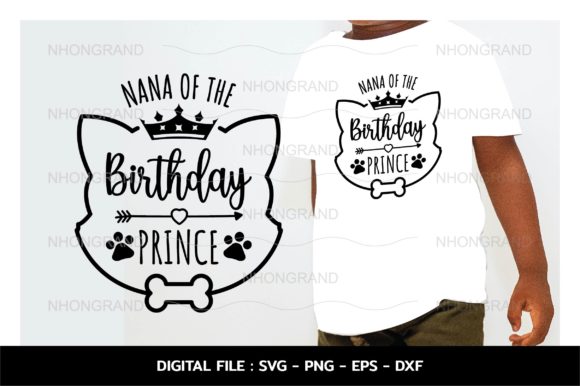
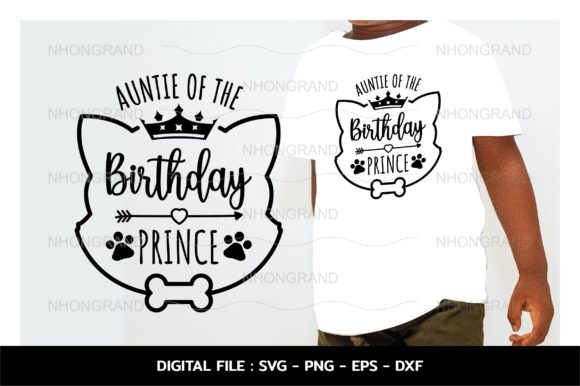
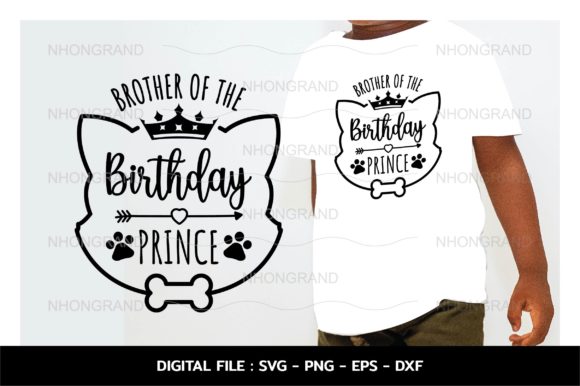
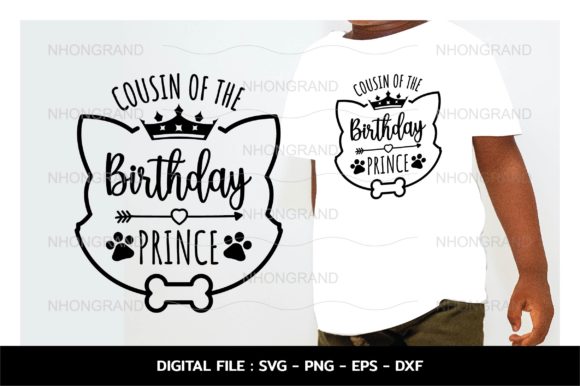
When Cousin of the Prince Birthday and Bones landed in my inbox, I paused—not because it screamed “premium,” but because it whispered something specific: gentle humor, nostalgic royalty, and a soft canine presence. It’s not a bold statement piece; it’s a quiet smile stitched into fabric. The footprint motif grounds it in warmth and personal connection—ideal for baby embroidery, nursery decor, or a custom embroidered tote bag meant for a dog-loving aunt’s birthday. As a designer who tests hundreds of embroidery files each year, I immediately scanned for balance: Are the bones stylized enough to avoid clutter? Does the crown sit comfortably above the text without crowding? Is the footprint legible at 3” wide on a tea towel? The answer, across several test prints and stitch simulations, is yes—when used intentionally.
Where This Design Earns Its Keep
Cousin of the Prince Birthday and Bones shines brightest in handmade product contexts where storytelling matters more than scale. Think sweatshirt embroidery for a boutique pet-friendly café, pillow covers for a vet clinic waiting room, or personalized baby onesies with a subtle crown-and-paw motif. It works beautifully as an applique design on denim aprons or linen kitchen towels—especially when paired with a single satin stitch border and minimal fill stitch density. For Etsy sellers, this is a low-risk, high-charm digital embroidery file: easy to mock up on light-colored cotton, recognizable at glance, and emotionally resonant for gift buyers seeking “not-too-cutesy, just-right” designs. Holiday embroidery? Yes—especially for early November birthdays or adoption anniversaries. Wedding gifts? Surprisingly effective for dog-owning couples with royal-themed vows or monogrammed guest towels.
Real Project Test: A Linen Tote Bag for a Dog Trainer
I stitched Cousin of the Prince Birthday and Bones onto a natural linen tote using medium-weight cutaway stabilizer and 40-weight polyester thread. At 4.2” wide, the footprint stayed crisp, the crown lines held clean edges, and the text remained legible—even under slight fabric texture. Customers noticed it instantly. One client said, “It feels like a secret handshake between me and my dog.” That’s the sweet spot: personality without pretense. No one mistook it for generic clip art. It elevated the finished product from “handmade” to “thoughtfully made.”
Where Caution Is Warranted
This isn’t a design for every surface—or every stitcher. On stretchy fabric like ribbed knit t-shirts, the footprint outline can blur if stabilizer isn’t layered thoughtfully. Tiny lettering (especially the “Bones” subtext) loses clarity below 2.5” hoop size—so skip it for cap embroidery unless you’re confident in your machine’s precision and needle control. Dark fabric demands careful thread color contrast testing: a pale gold crown may vanish on navy unless backed with white underlay. And dense fill stitch areas around the paw pads? They’ll pucker on thin cotton unless you reduce stitch density manually or add tear-away topping. Also, avoid layering it over seams or curved surfaces like backpack straps—it’s a flat-layout design, not engineered for 3D distortion.
Design Assets That Support Real Craft Business Needs
The included SVG, PNG (3000x3000px, 300 dpi, transparent background), and EPS files make Cousin of the Prince Birthday and Bones versatile beyond embroidery alone. I used the PNG for printable mockups on Etsy listings—clean, scalable, and instantly legible in thumbnails. The SVG converted cleanly to a Cricut project for iron-on transfers, expanding its use for craft fair merchandise. As a Graphics asset, it holds up well in branding kits for small shops that sell pet-themed handmade products. But—and this matters—its strength lies in restraint. It doesn’t overwhelm. It invites customization: swap “Bones” for “Biscuits,” add a birth year, or pair it with a simple paw-print border. That flexibility makes it a smart long-term addition to any craft business’ design assets library.
Practical Embroidery Designer Notes
- Always test Cousin of the Prince Birthday and Bones on scrap fabric first—especially with textured or dark materials.
- Check thread color contrast in both black-and-white and full-color mockups before stitching.
- Review stitch density: reduce fill stitch % by 5–10% on lightweight fabrics to prevent stiffness.
- Confirm hoop size compatibility—this design performs best in 4”–5” hoops for clarity and stability.
- Inspect small details like crown points and footprint toe separation at actual stitch-out size.
- Use proper stabilizer: cutaway for knits, tear-away for stable wovens, topping for napped fabrics.
- Verify licensing terms before selling finished embroidered items or reselling the digital embroidery file.
- Compare how it reads on light vs. dark backgrounds—some elements may need shadow or outline adjustment.
Final Thought: Charm With Craftsmanship
Cousin of the Prince Birthday and Bones won’t dominate a trade show booth—but it will earn repeat orders from customers who value sincerity over spectacle. It fits naturally in Crafts contexts where emotion drives purchase: personalized gifts, baby embroidery, holiday embroidery, and small shop merchandise built on authenticity. For embroidery designers, it’s a reminder that sometimes the most effective machine embroidery design isn’t the flashiest—it’s the one that stitches true, reads clearly, and leaves space for the maker’s voice to come through. Use it well, test it honestly, and let the footprints tell their quiet, confident story.