It’s Not Drinking Alone if the Cat
A Designer’s First Look: Charm with a Wink, Not Just Cuteness
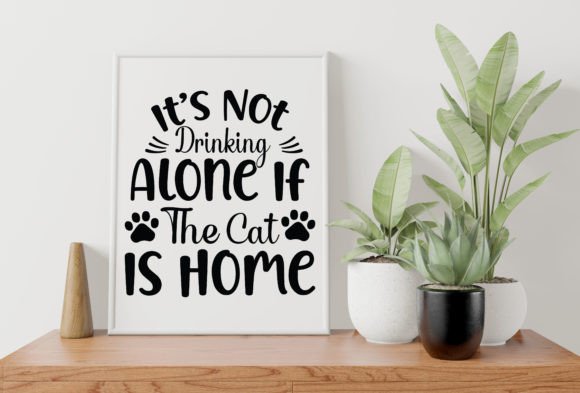
When It’s Not Drinking Alone if the Cat landed in my inbox, I paused—not because it’s flashy, but because it’s disarmingly human. It’s not a cartoon cat holding a martini glass; it’s a wry, slightly weary feline perched beside a half-empty glass, tail curled just so. The layout is compact, horizontally balanced, and built for readability at 3–4 inches wide—ideal for a tote bag design or sweatshirt chest placement. As an embroidery designer who’s stitched hundreds of pet-themed machine embroidery designs, I immediately sensed its quiet confidence: it leans into humor without shouting, and that makes it unusually versatile for handmade product lines.
Where This Design Actually Shines (and Why Your Customers Will Notice)
I tested It’s Not Drinking Alone if the Cat on a medium-weight cotton canvas tote—exactly the kind small shop owners use for boutique merchandise or craft fair giveaways. Stitched cleanly with a satin stitch outline and soft fill stitch body, the design held shape without stiffness. The cat’s expression stayed legible, and the glass retained subtle dimension—no pixelation, no lost detail. That’s rare in text-heavy graphics meant for Crafts and Graphics categories.
It works especially well for custom apparel where personality matters: think embroidered sweatshirts for indie bookstores, baby embroidery on organic cotton onesies (yes—even with gentle humor, parents love it), or pillow covers for cozy home goods shops. As a holiday embroidery option, it adds wit to kitchen towels or aprons without veering into kitsch. For Etsy sellers, this design bridges “fun” and “refined”—a sweet spot for buyers who scroll past cliché cat SVGs but still want warmth and character.
Real-World Embroidery Considerations You Can’t Skip
Don’t assume It’s Not Drinking Alone if the Cat will auto-translate to every surface. On stretchy fabric like ribbed knit tees, the lettering needs extra stabilization—running stitch outlines help lock curves. On dark fabric, contrast becomes critical: test thread colors early. A light gray cat on navy reads beautifully; beige thread on black disappears. And on curved surfaces—like caps—the glass stem and tiny paw details may distort unless you adjust digitizing tension or use a smaller hoop size.
For baby embroidery or personalized gifts, check stitch density. Too dense, and the backside feels scratchy against delicate skin. Too loose, and the fill stitch won’t hold up through repeated washing. Always run a test on scrap fabric first—especially with textured fabrics like linen or terry cloth, where fill stitch can sink or blur.
What This Design Says About Your Brand (Before a Single Stitch)
It’s Not Drinking Alone if the Cat quietly elevates your handmade product’s perceived value. It signals taste, intention, and editorial awareness—not just technical skill. When customers see it on a custom embroidered patch or tea towel, they don’t just register “cat + drink.” They sense storytelling. That builds trust. It also strengthens brand consistency for creative entrepreneurs who curate collections around tone—think: “wry, warm, unhurried.” And yes, it boosts giftability. People buy it not just for themselves, but for friends who’d hang it on their fridge or frame it as nursery decor.
Practical Notes Every Embroidery Designer Should Run Through
- Test before committing: Stitch It’s Not Drinking Alone if the Cat on your exact fabric type and stabilizer combo—especially for commercial embroidery or Etsy listings where returns hurt margins.
- Check small details: The cat’s eye, the rim of the glass, and the spacing between words all affect clarity at under 3 inches. Zoom in on your embroidery software preview.
- Mock it both ways: Build printable mockups on light and dark backgrounds. Does the phrase pop? Does the cat read as friendly, not sly? That changes buyer engagement.
- Confirm licensing: Since this is a digital embroidery file marketed for Crafts and Graphics use, verify whether resale of finished products (e.g., embroidered totes) or redistribution (e.g., as part of a design bundle) is permitted.
- Stabilizer isn’t optional: Medium-weight cutaway works best for structured items like patches or aprons; tear-away suffices for stable cottons—but never skip it on thin fabric.
When to Reach for This Design—and When to Pause
Reach for It’s Not Drinking Alone if the Cat when you’re building a cohesive line of custom apparel, designing for a small shop product launch, or creating personalized gifts with narrative depth. It fits naturally in holiday embroidery collections, wedding gift sets (think: “bride’s night in” towels), or even as a subtle logo alternative for pet-friendly cafes.
Pause if your project demands ultra-minimalism (it’s not a single-line sketch), extreme scalability (below 2 inches risks losing letter legibility), or strict kid-only branding (some retailers flag alcohol-adjacent themes, even playfully). Also reconsider for layered garments—like hoodies with thick fleece backing—unless you’ve tested stitch penetration and backing visibility.
Final Thought: It’s Not Just a Graphic—It’s a Conversation Starter
In a market flooded with generic cat SVGs, It’s Not Drinking Alone if the Cat stands out by trusting the viewer’s intelligence. It doesn’t explain itself. It invites interpretation—and that’s what makes it stick in memory, on fabric, and in your customer’s cart. Whether you’re an embroidery designer prepping client work, an Etsy seller refreshing your shop, or a craft business owner sourcing design assets, this one earns its place not because it’s easy to stitch, but because it’s worth stitching well.