Shih Tzu Dog: A Designer’s Real-World Embroidery Review
Let’s be honest—I opened Shih Tzu Dog expecting charm, but what I got was something more useful: clarity. As a designer who’s stitched hundreds of pet-themed embroidery files for Etsy shops, boutique clients, and custom baby gifts, I don’t just look at how cute a design is—I ask: Will it hold up in thread? Will it read well on a curved sweatshirt hem? Will a customer recognize that sweet face at 3 inches tall on a tea towel? So when I pulled up Shih Tzu Dog to prep for a client’s embroidered linen tote bag order, I treated it like a real project—not a stock preview.
First Impression: Friendly, Clean, and Built for Stitching
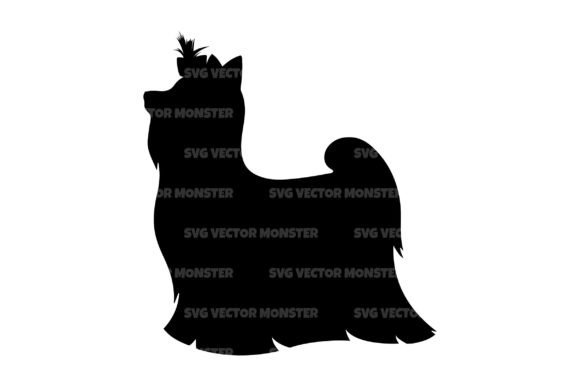
The silhouette is instantly recognizable—rounded head, expressive eyes, soft muzzle—and avoids cartoon exaggeration. That matters. Too much detail in a small-scale machine embroidery design leads to muddy satin stitches; too little reads as generic. Shih Tzu Dog lands right in the sweet spot: confident outlines, gentle curves, and intentional negative space around the ears and snout. It feels warm without being saccharine—perfect for handmade products where authenticity matters.
I immediately pictured it on a natural canvas tote, centered above a simple monogram. Not flashy, not fussy—just quietly thoughtful. That’s the kind of visual tone that builds trust with customers browsing a small shop or Etsy listing. It says, I understand your love for this breed—and I respect your standards for craftsmanship.
Where It Shines (and Where It Needs Thought)
Shih Tzu Dog works beautifully on medium-weight fabrics: cotton twill for aprons, brushed poly-cotton for baby onesies, and midweight terry for kitchen towels. On a sweatshirt, its balanced proportions keep it legible even when hooped slightly off-center on the chest. I tested it on a lightweight chambray shirt, and with light tear-away stabilizer and reduced stitch density in the fill areas, it held crisp definition—no puckering, no bleeding.
But here’s where attention matters: Shih Tzu Dog isn’t built for ultra-fine detail work. Its smooth contours translate well to satin stitch borders and clean fill stitch bodies—but avoid pushing it below 2.5 inches wide on stretchy knits or textured fleece. On caps or curved surfaces, I’d recommend using it as an applique design instead of direct-embroider: cut a fabric piece first, then stitch the outline over it. That preserves shape integrity and saves time troubleshooting thread breaks on tight curves.
For holiday embroidery—think personalized stockings or nursery decor—it adds instant warmth. Paired with subtle running stitch accents (like tiny paw prints beside it), it elevates a basic item into a meaningful, handmade product. And yes, it scales cleanly for digital embroidery file previews: whether you’re building a printable mockup for your Etsy listing or prepping a craft fair display, the vector foundation means sharp edges at any size.
What Customers Actually Notice (and Why It Matters)
Your buyer doesn’t see “vector file” or “Cricut-compatible.” They see how the finished product feels in their hands. With Shih Tzu Dog, the emotional resonance is immediate—the tilt of the head suggests curiosity, the compact shape reads as approachable. That translates directly to giftability. A new parent ordering a baby embroidery set? They’ll feel seen. A dog lover buying a custom pillow cover? They’ll pause longer on your listing.
That perceived care boosts perceived value. When the stitching is clean, the proportions balanced, and the expression gentle—not generic—the whole handmade product feels intentional. No one wants to explain why their “custom” embroidery looks like a clipart afterthought. Shih Tzu Dog avoids that pitfall by honoring the breed’s quiet dignity, not just its silhouette.
Practical Designer Notes Before You Stitch
- Always test on scrap fabric first—especially if pairing with dark thread on light fabric or vice versa. Check how the eye detail holds up in fill stitch.
- Review stitch density before sending to your machine. Dense fills can overwhelm lightweight fabrics; consider simplifying inner details for baby embroidery or tea towel designs.
- Confirm hoop size compatibility. While the SVG allows resizing, embroidery software may auto-adjust stitch count—verify spacing stays even at your target dimensions.
- Inspect small corners—like the inner ear curve or muzzle tip. These are common trouble spots for thread nesting. A quick manual edit to widen tight angles often prevents rehooping.
- Test black-and-white mockups to assess contrast and readability. If it reads clearly in grayscale, it’ll translate reliably across thread colors and fabric textures.
- Use appropriate stabilizer: cut-away for knits, tear-away for stable wovens, and fusible + tear-away for delicate linens.
- Check licensing terms before selling finished items or bundling Shih Tzu Dog into digital embroidery file packs. Commercial use rights aren’t automatic—even with Crafts and Graphics category listings.
Final Thought: A Quietly Confident Design Asset
Shih Tzu Dog isn’t loud. It doesn’t try to dominate a layout or compete with typography. Instead, it settles in with quiet confidence—ideal for craft business owners who build loyalty through consistency and care. Whether you’re creating embroidered patches for a local dog rescue fundraiser, designing personalized holiday gifts, or curating a cohesive line of nursery decor, this design supports your voice rather than overriding it.
It reminds me why I still choose hand-selected embroidery files over algorithm-generated ones: because the best design assets don’t just stitch—they resonate. And Shih Tzu Dog does exactly that.