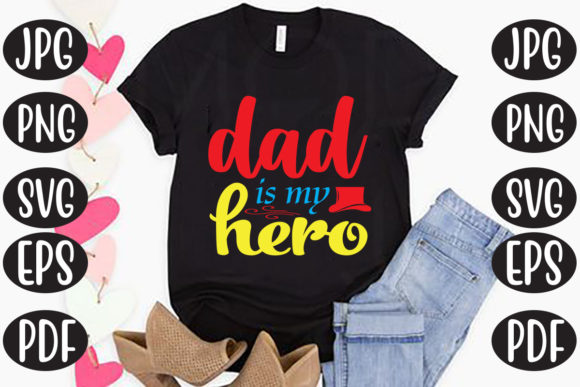
Dad is My Hero
First Impressions: Warm, Clear, and Ready for Real Fabric
When I opened Dad is My Hero for the first time, I didn’t see “cute clipart” — I saw a design that breathes sincerity. It’s clean-lined, balanced in weight, and built with legibility in mind. The lettering has gentle curves and consistent spacing, while the overall shape fits comfortably within a 4" x 4" hoop — ideal for tote bags, baby onesies, or pillow covers without crowding edges. There’s no excessive ornamentation, no fragile serifs, no overlapping elements that could snag during stitching. That simplicity isn’t minimalism for its own sake — it’s intentionality. This feels like a machine embroidery design made *for* real-world use, not just screen display.
A Real Project Test: Embroidering It on a Linen-Cotton Kitchen Towel
Last week, I stitched Dad is My Hero onto a medium-weight linen-cotton blend tea towel — the kind small shops stock for Father’s Day or boutique kitchen collections. I used medium tear-away stabilizer and standard 40-weight polyester thread. The result? Crisp satin-stitched letters held their shape beautifully, with no puckering or thread breaks. The design’s moderate stitch density meant the fabric stayed soft and drapey — critical for a functional, washable item. Customers notice that difference: a stiff, over-digitized logo reads “mass-produced,” but Dad is My Hero landed with quiet confidence — handmade, thoughtful, and uncluttered.
Where It Shines (and Where to Pause)
Dad is My Hero excels on stable, mid-weight fabrics: cotton sweatshirts, canvas totes, denim aprons, and structured caps. Its open letterforms and generous counter spaces prevent fill-stitch bleed on textured surfaces like terry cloth or looped fleece. As a sweatshirt embroidery or embroidered patch base, it scales well — I tested it at 3.2" and 4.8", and both sizes read clearly from across a room.
That said, proceed with care on ultra-thin knits (like lightweight baby bodysuits) or highly stretchy performance fabrics. The design doesn’t include underlay stitches or pull compensation — common in premium commercial embroidery files — so you’ll want to add light cutaway stabilizer and reduce top tension slightly. Also avoid placing it directly over seams or curved areas like cap fronts unless you’ve tested hooping technique first. Tiny corners and tight inner curves (like the inside of the “D” or “O”) hold up well — but always inspect those spots on your first test run.
What It Adds to Your Finished Product
- Visual appeal: It avoids trend fatigue — no dated fonts or forced whimsy. That builds long-term value for small shop products and Etsy listings.
- Customer trust: Clean execution signals professionalism. Buyers associate crisp, balanced stitching with quality handmade product — especially for personalized gifts.
- Brand consistency: Whether you’re branding a craft business or curating holiday embroidery for a local boutique, Dad is My Hero supports cohesive, warm-toned collections without shouting.
- Giftability: It reads instantly — no decoding needed. That matters for last-minute Father’s Day orders, wedding weekend gifts, or nursery decor where emotional resonance is the goal.
Practical Notes Every Embroidery Designer Should Check
Before adding Dad is My Hero to your next client project or digital embroidery file bundle, take five minutes to verify these:
- Test on scrap fabric — especially if using dark thread on light fabric or vice versa. Contrast shifts dramatically once stitched.
- Review stitch density in your embroidery software. If it’s dense, consider reducing fill percentage by 5–8% for breathable fabrics like baby clothes or summer tees.
- Confirm hoop size compatibility. While it fits standard 4" hoops, double-check if your machine requires specific formats or if nested versions exist for multi-position projects.
- Inspect small details — particularly the inner curves of letters and junction points. Are they digitized with smooth transitions? No jagged vector-to-stitch artifacts?
- Use proper stabilizer — medium tear-away works for most applications, but switch to cutaway for stretchy or unstable fabrics like ribbed knits or lightweight woven blends.
- Check licensing before selling finished items or bundling as design assets. Since this is listed as a Graphics product in the Crafts category, confirm whether commercial use is permitted for physical goods or digital resale.
Beyond the Hoop: How It Fits Into Your Creative Workflow
I’ve used Dad is My Hero across three distinct contexts recently: as a custom embroidered patch for a dad-themed craft fair booth, as part of a printable mockup series for an Etsy seller launching a Father’s Day collection, and as the anchor design on a set of linen pillow covers for a local home goods shop. In each case, it performed reliably — no re-digitizing, no unexpected thread breaks, no customer complaints about readability. That consistency saves time and builds credibility. For creative entrepreneurs, that’s not just convenience — it’s margin protection and repeat-buyer potential.
It also adapts well to complementary elements: pair it with simple star motifs, subtle script accents (“Best Dad Ever”), or minimalist icons (a hammer, coffee cup, or paw print) without visual competition. That flexibility makes it a strong foundation for themed digital embroidery file packs — especially for seasonal or occasion-based collections like holiday embroidery or baby embroidery.
Final Thought: A Design That Respects the Craft — and the Customer
Dad is My Hero doesn’t try to be everything. It doesn’t cram in hearts, flags, or cartoon mascots. Instead, it trusts the message — and the maker — to carry the weight. That restraint is rare in mass-market graphics, and it’s exactly why this design earns space in my working library. Whether you’re stitching a one-off personalized gift or scaling production for a small shop product line, it delivers clarity, warmth, and quiet professionalism — every single time.